By Nungya Aboriginal & Torres Strait Islander Corporation
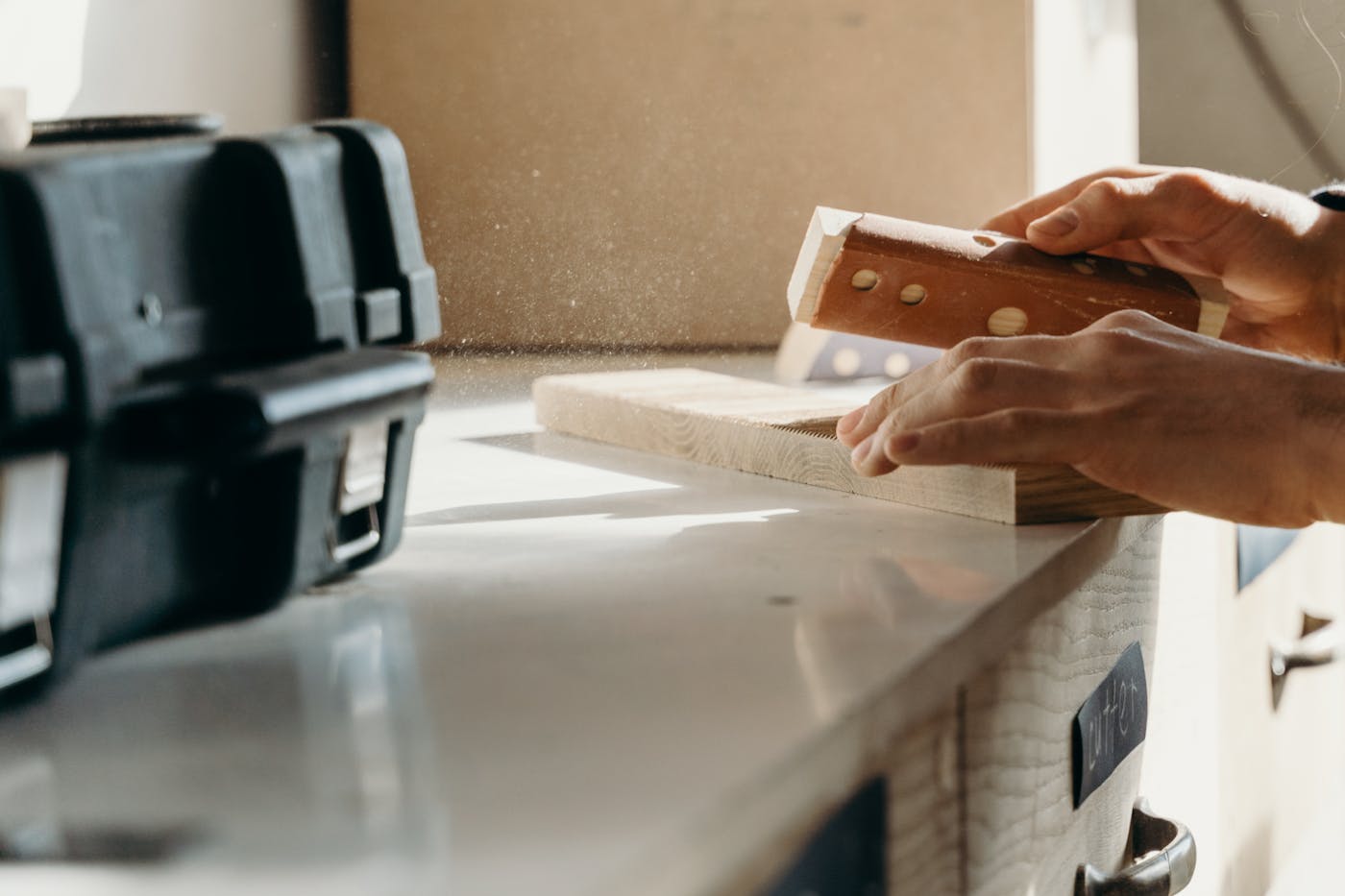
Practical projects can build more than useful things. In a men’s shed or community space, making, repairing, learning and working side by side can build trust, routine, confidence and belonging. A table, a bench, a tool, a 3D printer, a broken item or a small shared job can become a doorway into connection.
For Nungya Aboriginal & Torres Strait Islander Corporation, this matters because community wellbeing does not always begin with a formal appointment. Sometimes it begins when someone turns up, has something to do, and is welcomed without pressure.
As National Sorry Day and National Reconciliation Week approach, practical connection is also part of reconciliation. Reconciliation is not only about statements. It is about building relationships, safe spaces and everyday ways for people to support one another.
Why Working Side By Side Helps
The Australian Government describes men’s sheds as safe, friendly and inclusive places where men can meet and work on meaningful projects at their own pace, in their own time and in the company of other men. It also notes that sheds aim to improve health and wellbeing by addressing social isolation, helping men feel safe, make friends and share meaningful activities.
That is the strength of practical work. It gives people something to do together without forcing every conversation to become heavy straight away. For some men, talking face to face can feel hard. Working side by side can feel easier. A job gives the hands something to do while trust slowly grows.
Repairing, building, sanding, designing, printing, painting, planning and sorting can all create small moments of connection. Someone asks for advice. Someone shares a skill. Someone laughs at a mistake. Someone notices that a person has not been around for a while. These ordinary moments matter.
A Men’s Shed Is More Than A Workspace
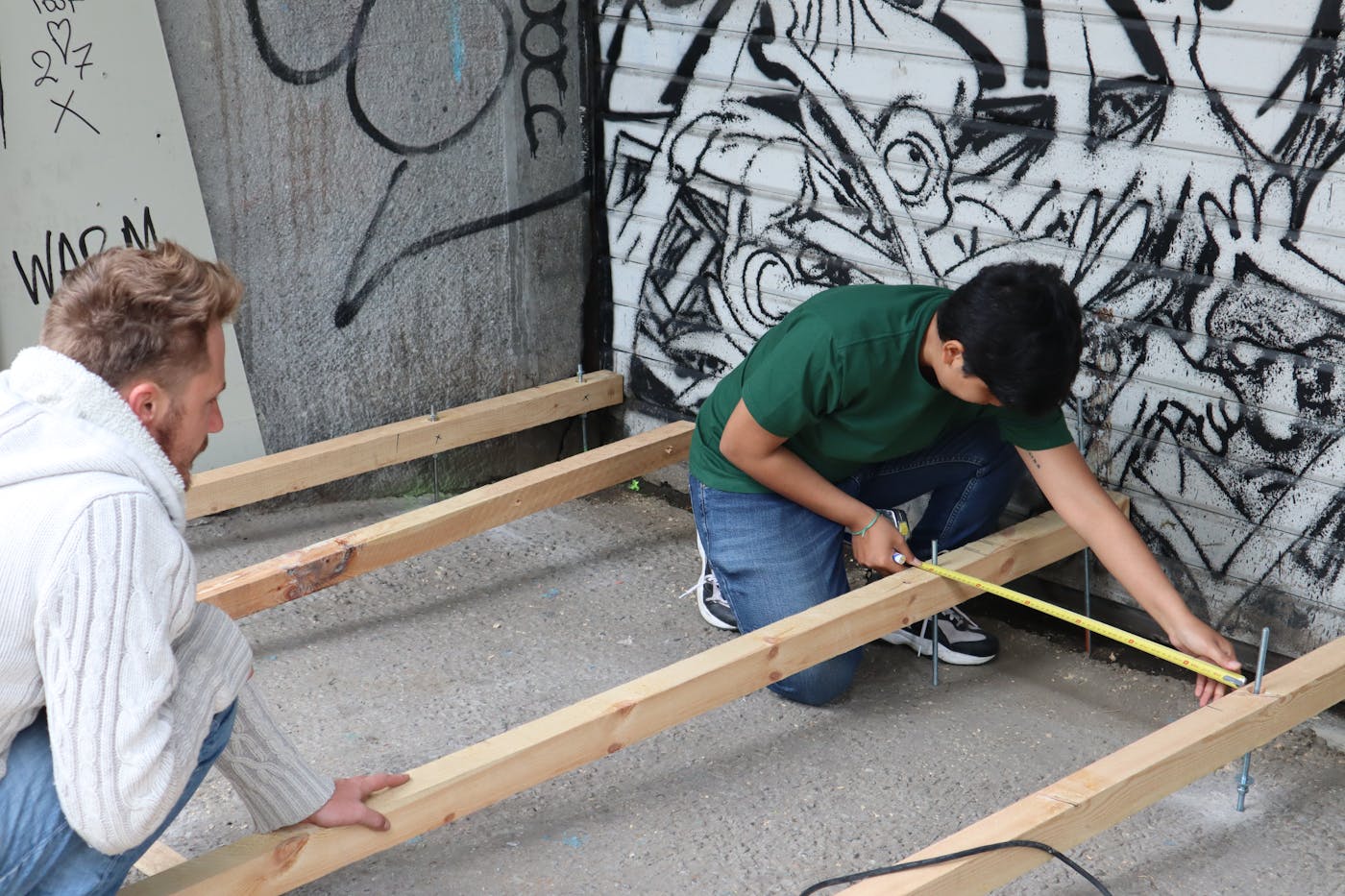
A shed may have tools, benches, materials and projects, but its deeper value is the safe community around those things. The Australian Men’s Shed Association describes sheds as places where men can find a safe and busy environment, meaningful activity and mateship without pressure.
For Nungya, a men’s shed can be a place for healing, culture and connection. It can give men somewhere to go when life feels heavy. It can help reduce isolation. It can support routine and purpose. It can give older and younger men a way to share skills and build relationships in a setting that feels practical rather than clinical.
That does not mean a shed replaces health care, counselling or specialist services. It means a shed can become a trusted place where wellbeing is supported before crisis. It is part of the community layer that helps people stay connected.
Making Can Build Confidence
There is something powerful about making something with your hands. A project gives visible progress. A person can see what they have done. That can matter when life feels stuck, confusing or out of control.
Confidence can grow from small wins: learning how to use a tool safely, repairing something that would otherwise be thrown away, creating a simple object, helping someone else, or finishing a job that once felt too hard. These moments may look small from the outside, but they can rebuild a person’s sense of capability.
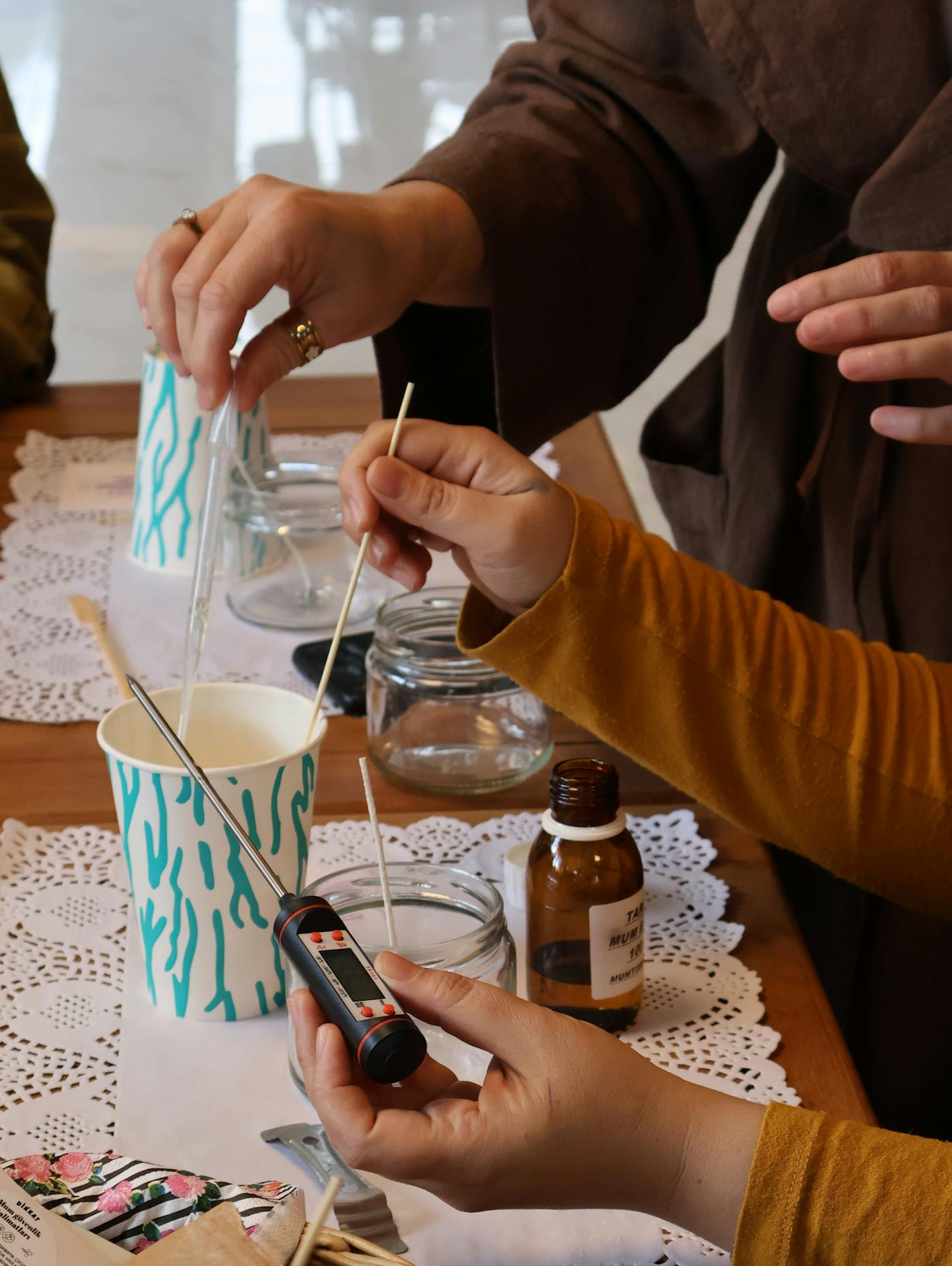
Nungya’s 3D printer is one example of how practical projects can open new pathways. 3D printing can support learning, creativity, repairs, problem-solving and small community projects. It gives people a way to turn an idea into something physical. That process can spark conversation, skill-sharing and curiosity.
Projects Can Carry Culture And Care
Practical projects are not separate from culture and care. A community space can hold stories, family connection, humour, respect and shared responsibility. It can be a place where people learn how to work safely, listen properly and support each other.
For Aboriginal and Torres Strait Islander men, safe spaces can also help people reconnect with identity, community and responsibility in ways that are respectful and local. Not every cultural conversation needs to be public. Not every story is for everyone. A culturally safe shed understands that trust, permission and respect matter.
Good projects do not use culture as decoration. They make room for culture to be respected, protected and led by the right people.
Practical Projects Are Practical Reconciliation
Reconciliation Australia’s 2026 theme is All In. That theme asks people to move beyond sitting on the sidelines. Practical projects are one way supporters can be All In locally, if they do it respectfully.
Support might include donating tools, timber, safety gear, storage, workshop materials, 3D printer filament, transport help, mentoring, technical support or funds for shed costs. It might include helping maintain a space, sharing a useful skill, or connecting Nungya with a respectful partner.
The key is to support the work without taking it over. Ask what is needed. Respect Aboriginal and Torres Strait Islander leadership. Value local knowledge. Stay steady after the public moment has passed.
Connection Is Built Over Time
A strong community space is not built in one day. It grows through repeated small acts: opening the door, setting up the bench, making tea, checking tools, welcoming someone back, listening without rushing, and creating projects that give people a reason to return.
When people make things together, they often make more than the thing in front of them. They make routine. They make trust. They make belonging. They make a place where someone can show up as they are and still be part of something useful.
That is why practical projects matter for Nungya. They are not just activities. They are one way of building connection, dignity and community-led wellbeing.
If you would like to support Nungya’s men’s shed initiatives, 3D printing projects, assistance animals program or community wellbeing work, contact us at admin@nungya.com.