By Nungya Aboriginal & Torres Strait Islander Corporation

Culturally safe support is not just a policy phrase. It is something people feel in the room. It is in the way they are greeted, whether they are believed, whether they have choice, whether they are rushed, whether their family and culture are respected, and whether the support actually fits their life.
For Aboriginal and Torres Strait Islander people, culturally safe support matters because many systems have not always been safe, fair or easy to trust. A person may be dealing with health needs, disability, housing stress, grief, family responsibility, financial pressure, racism, past trauma, or fear of being judged. If a service does not understand that bigger picture, it can make people feel smaller instead of supported.
For Nungya Aboriginal & Torres Strait Islander Corporation, cultural safety is practical. It is not about using the right words while doing the same old thing. It is about building relationships, listening properly, creating safe spaces, and helping people take the next step without shame.
It Starts With Listening
Good support begins before advice. It starts with listening. Not listening to tick a box, but listening to understand what a person is carrying and what they have already tried. Sometimes a person does not need a lecture. They need time, respect and a clear pathway.
Queensland Health’s Reframing the Relationship Plan, last updated in February 2026, talks about working in partnership with First Nations peoples to co-design health services and improve culturally safe care. That idea matters beyond hospitals. Any organisation that wants to support Aboriginal and Torres Strait Islander people should ask whether it is making decisions with people, or for people.
Listening also means accepting that trust takes time. A person may have had bad experiences with services before. They may have been dismissed, misunderstood, over-explained to, or made to feel like a problem. Culturally safe support does not punish people for being careful. It earns trust through consistency.
It Respects The Whole Person
Culturally safe support does not split a person into disconnected problems. A man’s mental health might be linked to housing, grief, family pressure, unemployment, disability, disconnection or shame. A person seeking assistance animal support may also need help understanding paperwork, routines, access expectations, transport or daily confidence. A family asking for help may need practical guidance as much as emotional support.
This is why community-led work matters. Local organisations can see the whole person more clearly than a system that only sees one form, one appointment or one eligibility rule. At Nungya, men’s shed initiatives, assistance animals, community education and wellbeing support are connected by one idea: people need practical support that respects their dignity.
The goal is not to take control away from people. The goal is to make the path easier to understand, less lonely and less intimidating.
It Makes Room For Men To Show Up Safely
For many men, support is easier to accept when it does not begin with pressure. A men’s shed can create a softer doorway. Someone can come in to fix something, build something, learn something or just be around other people. Over time, trust can grow. Conversations can happen naturally.
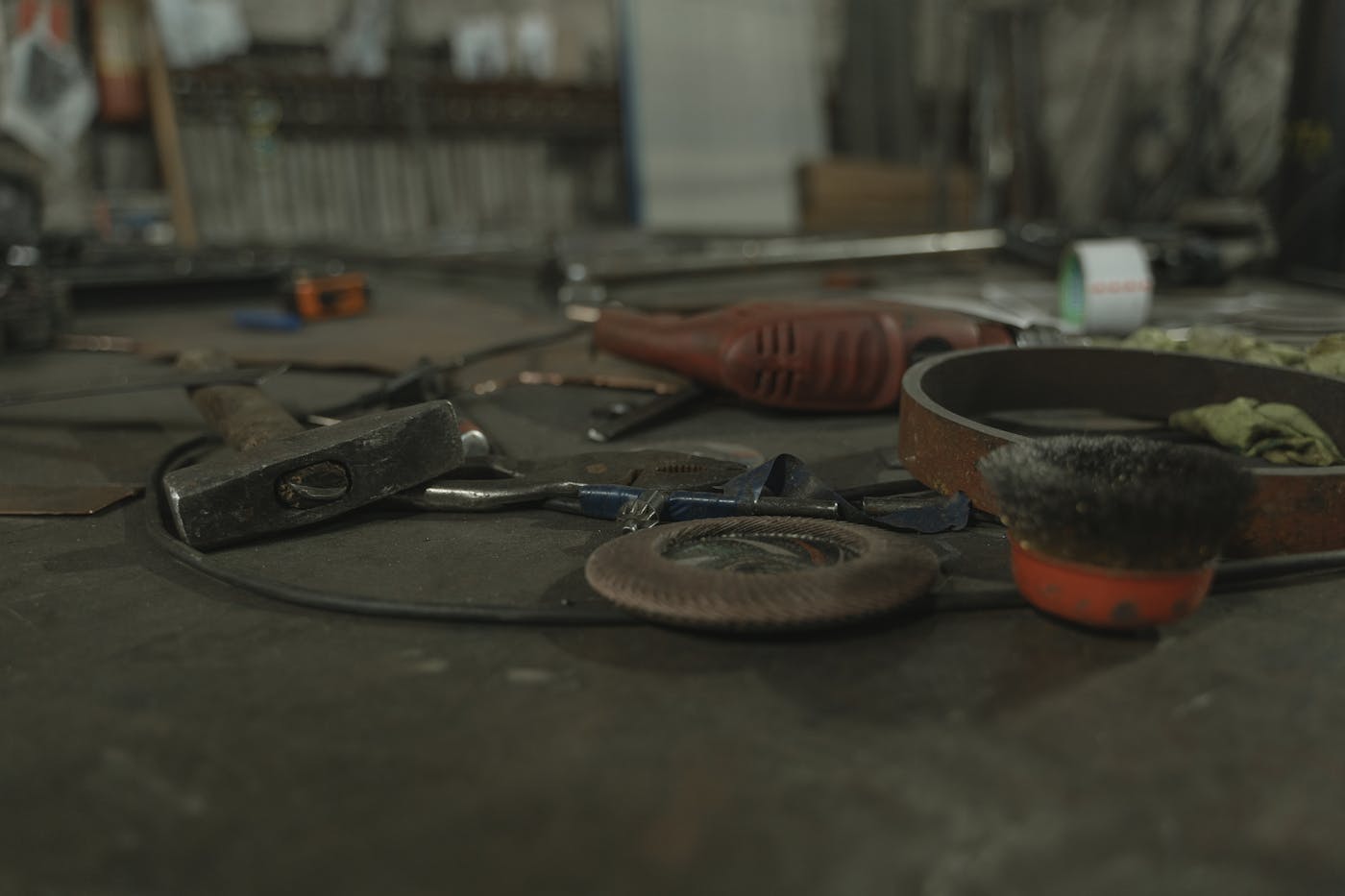
That is culturally safe work in real life. It is not always dramatic. Sometimes it looks like a bench, a cup of tea, a shared tool, a quiet check-in, or someone noticing that a man has not been himself. These moments matter because isolation can grow silently.
Men’s wellbeing is community wellbeing. When men have places where they can connect without shame, families and communities benefit too.
It Does Not Shame People For Needing Help
Shame stops people from asking for help. A culturally unsafe service can add to shame by making people feel judged, rushed, blamed or talked down to. A culturally safe service works differently. It explains things clearly. It checks understanding without embarrassment. It gives people time. It respects family and cultural responsibilities. It does not make people prove their worth before they are treated with dignity.
The Australian Commission on Safety and Quality in Health Care notes that cultural safety involves considering power relationships, cultural differences and patients’ rights. In everyday language, that means services need to notice who holds power in the room and how that power is used.
If a person leaves support feeling confused, judged or invisible, something has gone wrong. If they leave feeling respected, clearer and more able to take the next step, something stronger has happened.

It Builds Partnerships, Not Token Gestures
Queensland Health’s First Nations First Strategy 2032 speaks about reshaping the health system with Aboriginal and Torres Strait Islander peoples and recognising the cultural authority of First Nations peoples. That principle is important for health services, but it also applies to businesses, charities, community groups and supporters.
Partnership is not a logo on a flyer. It means listening early, sharing decision-making, paying people properly for expertise, respecting cultural knowledge, and staying involved after the public moment has passed. With National Reconciliation Week 2026 approaching from 27 May to 3 June, the theme All In is a timely reminder that support must move from words into action.
Being All In means asking what will change after the meeting, after the event, after the post, after the funding announcement and after the week is over.
What Supporters Can Do Today
Supporters can start by making help practical. Ask what is needed before offering a solution. Back Aboriginal and Torres Strait Islander-led organisations. Support men’s shed projects, assistance animal pathways and community wellbeing work. Offer skills, materials, funding, introductions or time in ways that strengthen local leadership rather than taking it over.
If you work in health, disability, housing, education, justice, government or community services, ask whether your process feels safe to the people using it. Ask whether people can bring family. Ask whether instructions are clear. Ask whether feedback changes anything. Ask whether Aboriginal and Torres Strait Islander people are shaping decisions, not just being consulted after the direction has already been chosen.
Culturally safe support is built in small decisions every day. It is how people are welcomed. It is how they are heard. It is whether they are trusted. It is whether help respects their life, family, culture and dignity.
If you would like to support Nungya’s men’s shed initiatives, assistance animals program or community wellbeing work, contact us at admin@nungya.com.
Further Reading
- Queensland Health: Reframing the Relationship Plan
- Queensland Health: First Nations First Strategy 2032
- Metro South Health: First Nations Health Equity Strategy 2025-2028
- Australian Commission on Safety and Quality in Health Care: Cultural safety in health care
- Reconciliation Australia: All In for National Reconciliation Week 2026