
By Nungya Aboriginal & Torres Strait Islander Corporation
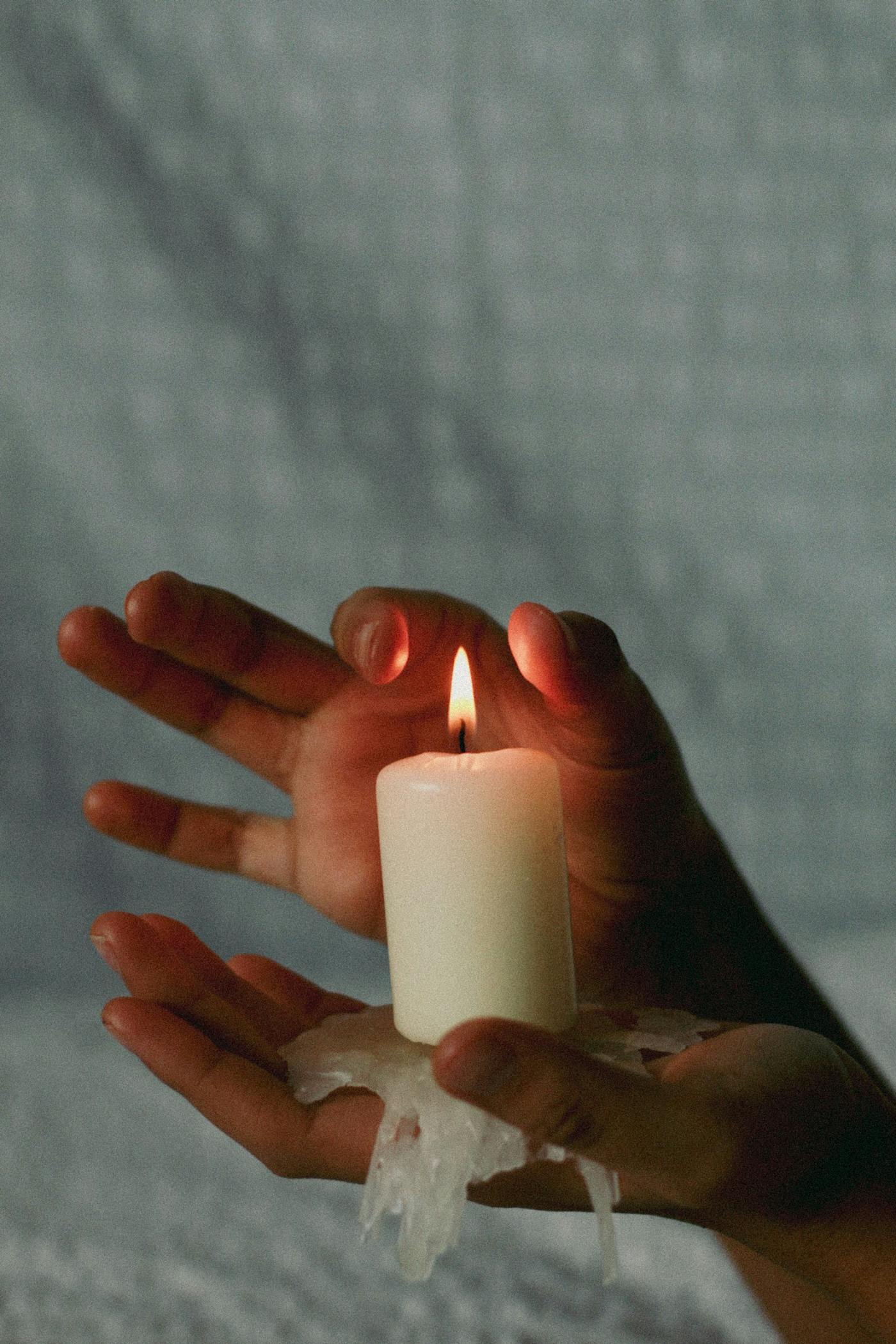
National Sorry Day is held each year on 26 May. In 2026, it falls on Tuesday 26 May, the day before National Reconciliation Week begins. It is a day to remember and acknowledge the Stolen Generations: Aboriginal and Torres Strait Islander children who were forcibly removed from their families, communities, culture and Country under government policies.
For Nungya Aboriginal & Torres Strait Islander Corporation, getting ready for National Sorry Day means more than preparing a post or attending an event. It means approaching the day with care, truth, respect and responsibility. It means remembering that this history is not distant for many families. It is carried in stories, grief, strength, survival and ongoing healing.
National Sorry Day should not be treated as a symbolic date only. It should lead people toward learning, listening and action.
Why 26 May Matters
The Healing Foundation explains that National Sorry Day marks the Stolen Generations and the tabling of the Bringing them home report in 1997. That report recorded the experiences of Aboriginal and Torres Strait Islander people who were removed from their families, and it called for action to address the harm caused.
In 2026, National Sorry Day marks 29 years since the report was tabled. The Healing Foundation has warned that progress has been slow and uneven, and that many Stolen Generations survivors are now ageing. It has also highlighted that many survivors and families still face barriers around healing, records, redress and support.
This matters because remembrance without action can become empty. Saying sorry is important, but it must be connected to truth, healing, justice and practical support for survivors, descendants and communities.

Prepare By Listening First
A respectful National Sorry Day starts with listening. Listen to Stolen Generations survivors and survivor-led organisations. Read from Aboriginal and Torres Strait Islander-led sources. Learn the history from trusted places such as The Healing Foundation and AIATSIS. Do not expect local people to explain painful history on demand.
Listening also means being careful with language. This is not a day for self-promotion. It is not a day to centre guilt, defensiveness or debate. It is a day to acknowledge truth, honour survival, and think about what responsibility looks like now.
If a workplace, school, service, club or community group is marking National Sorry Day, the tone should be respectful and trauma-aware. People may respond differently. Some may want to speak. Some may want quiet. Some may not want to participate publicly. A culturally safe approach allows room for that.
Make Space For Healing
Healing is not a slogan. The Healing Foundation describes survivor-led intergenerational healing as ongoing work. That work needs proper backing, not just attention once a year.
At a community level, healing can involve safe spaces, cultural connection, family reconnection, social and emotional wellbeing support, truth-telling, records access, advocacy, practical help and respectful relationships. For some people, healing also means being believed after a lifetime of being ignored or dismissed.
Nungya’s work in men’s wellbeing, assistance animals and community connection belongs in this wider picture. A men’s shed can give people somewhere safe to connect. Assistance animal support can help some people build routine and confidence. Community-led support can help people feel less alone while they navigate systems that can be hard to trust.
These are not replacements for specialist Stolen Generations services or clinical care. They are part of the wider community layer that helps people feel respected, connected and supported in daily life.

How Supporters Can Mark The Day Respectfully
Supporters can mark National Sorry Day by learning before posting. Read survivor-led resources. Share links to trusted organisations. Attend local events if invited and appropriate. If your workplace holds an acknowledgement, make sure it is not rushed or tokenistic.
Respectful action can include donating to Aboriginal and Torres Strait Islander-led healing and wellbeing work, supporting community-controlled organisations, backing local men’s shed initiatives, helping practical programs, and asking what support is needed rather than assuming.
It can also mean changing everyday habits. Do not make Aboriginal and Torres Strait Islander people carry every conversation about history. Do not ask people to relive trauma for your education. Do not use images, stories, names or cultural material without permission. Do not reduce Stolen Generations history to one sad paragraph and then move on.
Keep The Commitment After 26 May
National Sorry Day leads straight into National Reconciliation Week, which runs from 27 May to 3 June. The 2026 theme, All In, is a reminder that reconciliation is not passive. It asks people to take part in the work.
For Nungya, that means practical commitment: safe spaces, stronger partnerships, community-led support, men’s wellbeing, assistance animal pathways, and respectful relationships that continue after the national calendar moves on.
Being respectful on National Sorry Day means more than knowing the date. It means carrying the lesson forward. It means choosing truth over comfort, listening over talking, and action over symbolism.
If you would like to support Nungya’s community wellbeing work, men’s shed initiatives or assistance animals program, contact us at admin@nungya.com.