By Nungya Aboriginal & Torres Strait Islander Corporation
National Reconciliation Week 2026 runs from 27 May to 3 June. This year’s theme is All In, and it is a strong fit for the work Nungya Aboriginal & Torres Strait Islander Corporation is trying to grow every day: wellbeing, connection, safe spaces, practical support and stronger community-led pathways.
For Nungya, reconciliation cannot be reduced to a poster on a wall or a single week on the calendar. Those things can help start a conversation, but the real work is much closer to home. It happens when people listen properly. It happens when men have somewhere safe to go before things reach crisis point. It happens when Aboriginal and Torres Strait Islander people can shape the services that affect their own families. It happens when disability, mental health, housing, culture and community wellbeing are treated as connected parts of a person’s life, not separate problems.
That is why the All In theme matters. It gives organisations, supporters, families and local communities a simple question to sit with: what are we actually prepared to do?
What National Reconciliation Week Reminds Us
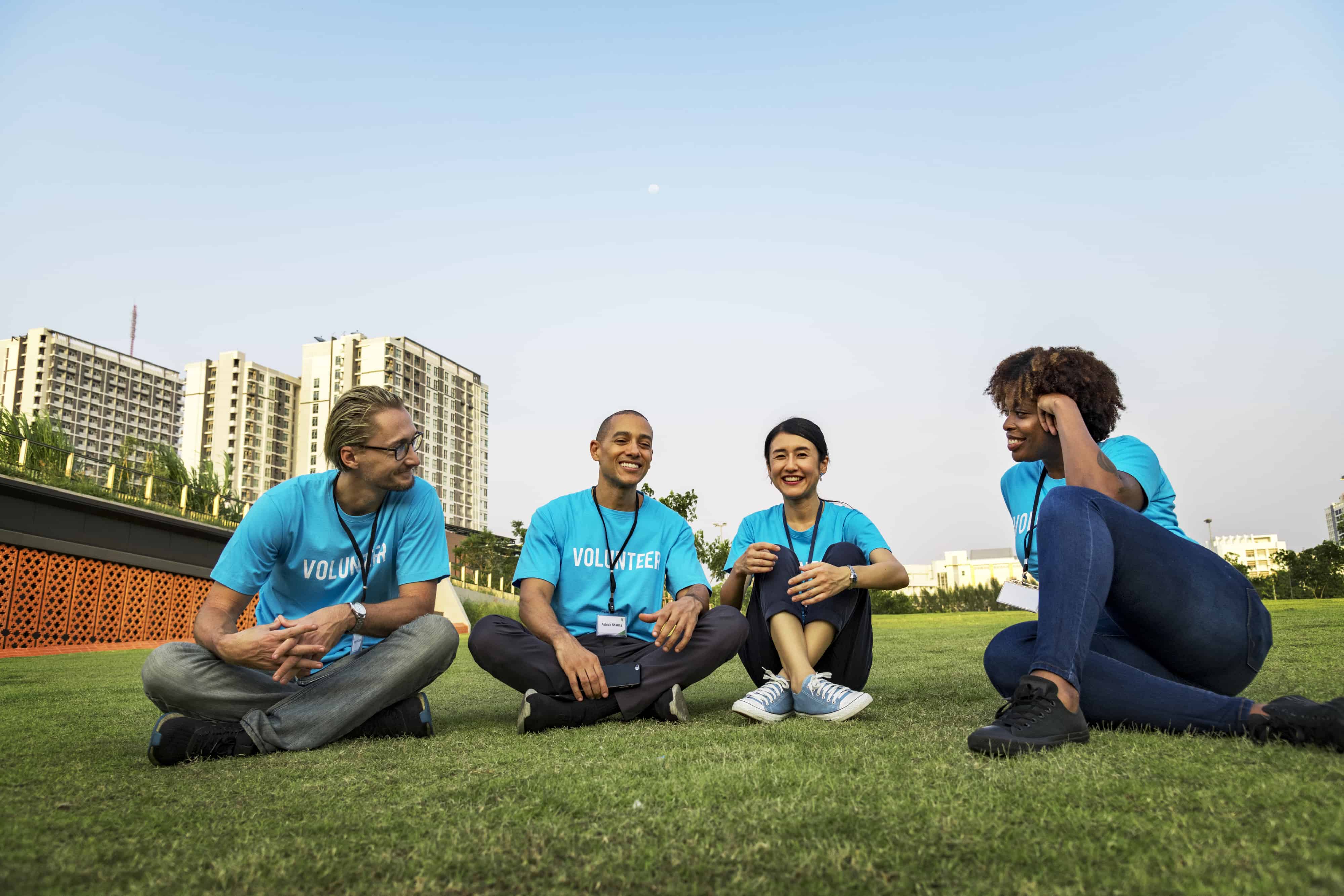
National Reconciliation Week is held each year from 27 May to 3 June. The dates mark two major moments in Australia’s reconciliation journey: the 1967 referendum and the High Court’s Mabo decision. The week is a time to learn about shared histories, cultures and achievements, but it is also a time to look honestly at what still needs to change.
Reconciliation Australia’s 2026 theme, All In, calls people away from passive support and towards action. That message is important because Aboriginal and Torres Strait Islander peoples have too often been expected to carry the burden of explaining, advocating and fixing systems that were not built around their voices. Real reconciliation means shared responsibility. It means non-Indigenous people, services, workplaces, funders and decision-makers taking their part seriously.
At a local level, that responsibility can look practical. It may be a workplace choosing Aboriginal-led training rather than a token morning tea. It may be a donor supporting a community-controlled program instead of assuming government systems will cover every gap. It may be a health, disability or housing service asking whether its process is culturally safe in practice, not just in policy. It may be a family checking in on a man who has gone quiet and helping him reconnect with people who understand.
Safe Spaces Are Part Of The Work
Nungya’s Men’s Shed work is built on a simple but powerful idea: people need places where connection can happen naturally. Not every conversation about mental health starts in a counselling room. Sometimes it starts beside a workbench, over a shared project, while making something useful, fixing something broken, or simply turning up often enough to be known.
For many men, especially men carrying grief, stress, isolation, trauma or cultural disconnection, formal help can feel hard to reach. A safe community space can become the bridge. It can reduce shame. It can give men a reason to leave the house. It can create routine, purpose and friendship. It can allow older and younger men to share skills in a way that strengthens identity and belonging.
This is not a soft issue. Men’s wellbeing affects families, children, partners, workplaces and whole communities. When men have spaces where they can talk, build, listen and contribute, the benefits do not stay inside the shed. They move outward.
Wellbeing Includes Disability, Mental Health And Daily Support
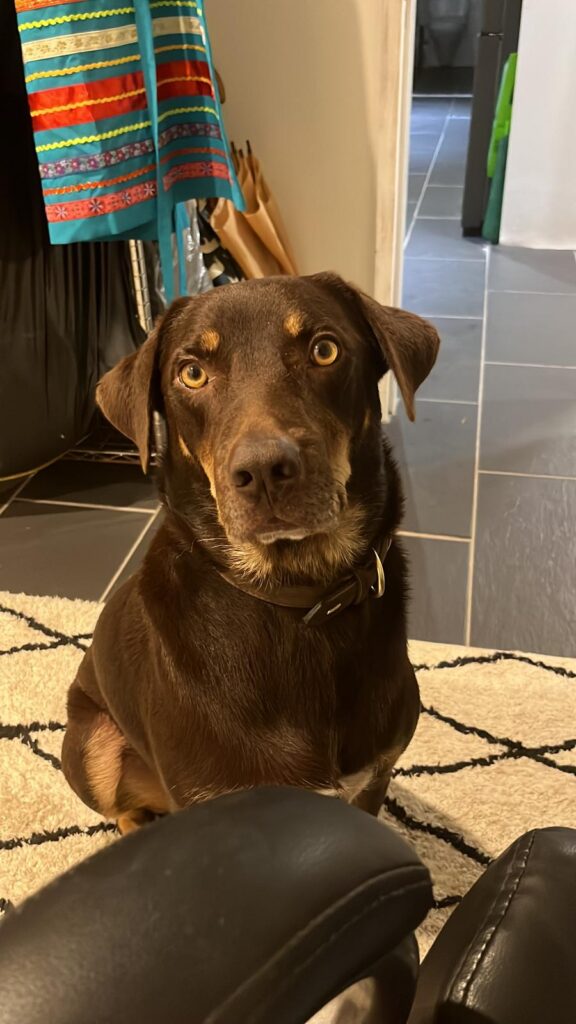
Nungya’s assistance animals work also belongs in the reconciliation conversation. Disability and mental health support must be accessible, culturally safe and grounded in real life. For some people, an assistance animal can support independence, emotional regulation, confidence, routine and safety. For others, the process of getting support can feel confusing, expensive or lonely.
When Aboriginal and Torres Strait Islander people with disability or mental health needs are left to navigate systems alone, the gap grows wider. Community-led support can help people feel seen, respected and accompanied. It can also help families understand options and build trust with services that may otherwise feel distant or unsafe.
That is why Nungya’s work sits across more than one issue. Men’s health, disability support, cultural connection, social isolation, practical projects and community education all overlap. A strong community does not ask people to split themselves into categories before they are allowed to receive care.
Why Local Voices Matter In Health And Community Planning
Recent health equity work in Queensland shows how important community voice is. West Moreton Health is currently asking for feedback on its draft First Nations Health Equity Strategy 2025-2028, with consultation open from 5 May to 16 June 2026. The draft focuses on culturally safe care, stronger partnerships and making sure community priorities shape the final strategy.
That kind of consultation matters when it leads to genuine listening and accountability. It also lines up with a wider national issue: many Aboriginal and Torres Strait Islander people live in major cities, including Brisbane, yet urban First Nations health and wellbeing can be overlooked. Research and resources released through the University of Queensland’s Poche Centre and partners have highlighted the need for stronger focus on urban Aboriginal and Torres Strait Islander health, data and community-controlled services.
For Nungya, this reinforces a practical point. Brisbane-based community work is not secondary to remote or regional need. It is part of the national picture. Urban families still need culturally safe support. Urban men still experience isolation. Urban people with disability still need advocacy and care that fits their lives. Urban community-controlled and Indigenous-led organisations still need backing.
What Supporters Can Do During Reconciliation Week
If you want to be All In this year, start with action that is specific enough to matter. Learn from Aboriginal and Torres Strait Islander-led sources. Attend or support local Reconciliation Week events. Share official resources, but do not stop at awareness. Ask what your workplace, club, service or family can change after the week is finished.
Practical support can include donating to Indigenous-led community programs, volunteering skills, offering workshop materials, helping improve digital systems, supporting men’s health projects, or connecting Nungya with partners who can provide safe, respectful assistance. It can also mean choosing better habits: listening first, avoiding tokenistic language, checking facts before sharing news, and making room for Aboriginal and Torres Strait Islander people to speak for their own communities.
For organisations, being All In should include long-term relationships. One-off gestures are not enough. If your workplace wants to support reconciliation, ask whether you are buying from First Nations businesses, partnering with Aboriginal-led organisations, creating culturally safe referral pathways, and paying people properly for cultural knowledge and community expertise.
Keep Going After 3 June
National Reconciliation Week is a doorway, not the destination. The real test is what continues after 3 June. Nungya’s work is about building that continuation into everyday life: a men’s shed that keeps opening, assistance animal support that keeps growing, community relationships that keep strengthening, and practical projects that give people purpose and connection.
All In starts locally. It starts with the decision to move from goodwill to action. It starts with backing Aboriginal and Torres Strait Islander-led work not just when it is visible on the national calendar, but when the quieter daily work needs support.
If you would like to support Nungya’s community wellbeing work, men’s shed initiatives or assistance animals program, contact us at admin@nungya.com.