
News edition for 1 September 2026. Added to Nungya on 22 October 2026 as part of our retrospective news archive. Reporting reflects information available by the edition date.
Boats and trade routes are familiar parts of northern Queensland’s maritime history. Researcher Nerelle Nicol is drawing attention to the First Nations people whose labour, knowledge and family stories sustained those industries.
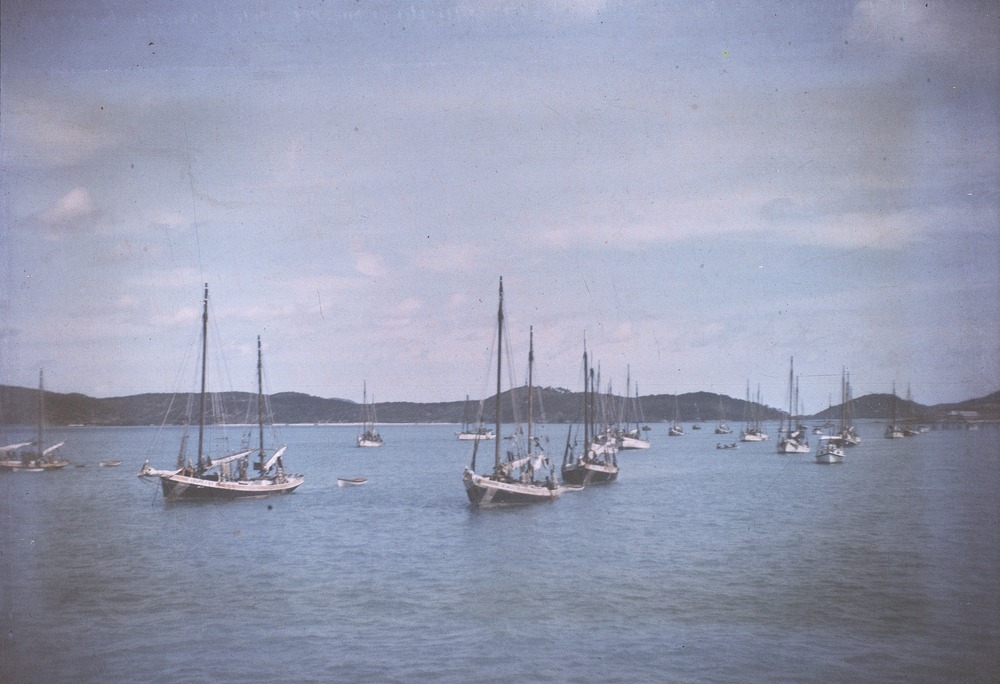
In a State Library of Queensland update published on 30 June, Nicol describes the Lugger Bort project and the contribution of the Monica Clare Research Fellowship to its development.
The research follows Aboriginal and Torres Strait Islander seafarers and workers connected with pearling, bêche-de-mer and trochus industries. It also examines the labour arrangements and government policies that limited workers’ rights and recognition.
Families, Elder Seafarers, descendants and community knowledge are central to the project. Nicol reports that the work has encouraged people to share information, request research materials and consider contributing pearling-related objects to collections.
Those responses matter because maritime history is also living family history. A photograph, memory or object may connect a public archive with knowledge held in community.
This edition revisits the June research update and its future possibilities, including oral histories, exhibitions and educational resources. It does not announce that those proposed next steps have already occurred.
The linked feature contains names and images of deceased people.