
News edition for 24 July 2026. Added to Nungya on 22 October 2026 as part of our retrospective news archive. Reporting reflects information available by the edition date.
A football is designed to keep moving. That can make it an unusual place for an audience to pause over an artist’s story.
In an AFL interview published on 11 May 2026, Bayley Mifsud/Merindah-Gunya explains the family and community connections behind her Sir Doug Nicholls Round ball design. The Peek and Kirrae Whurrong artist, from the Gunditjmara community near Warrnambool, describes a childhood closely connected with football.
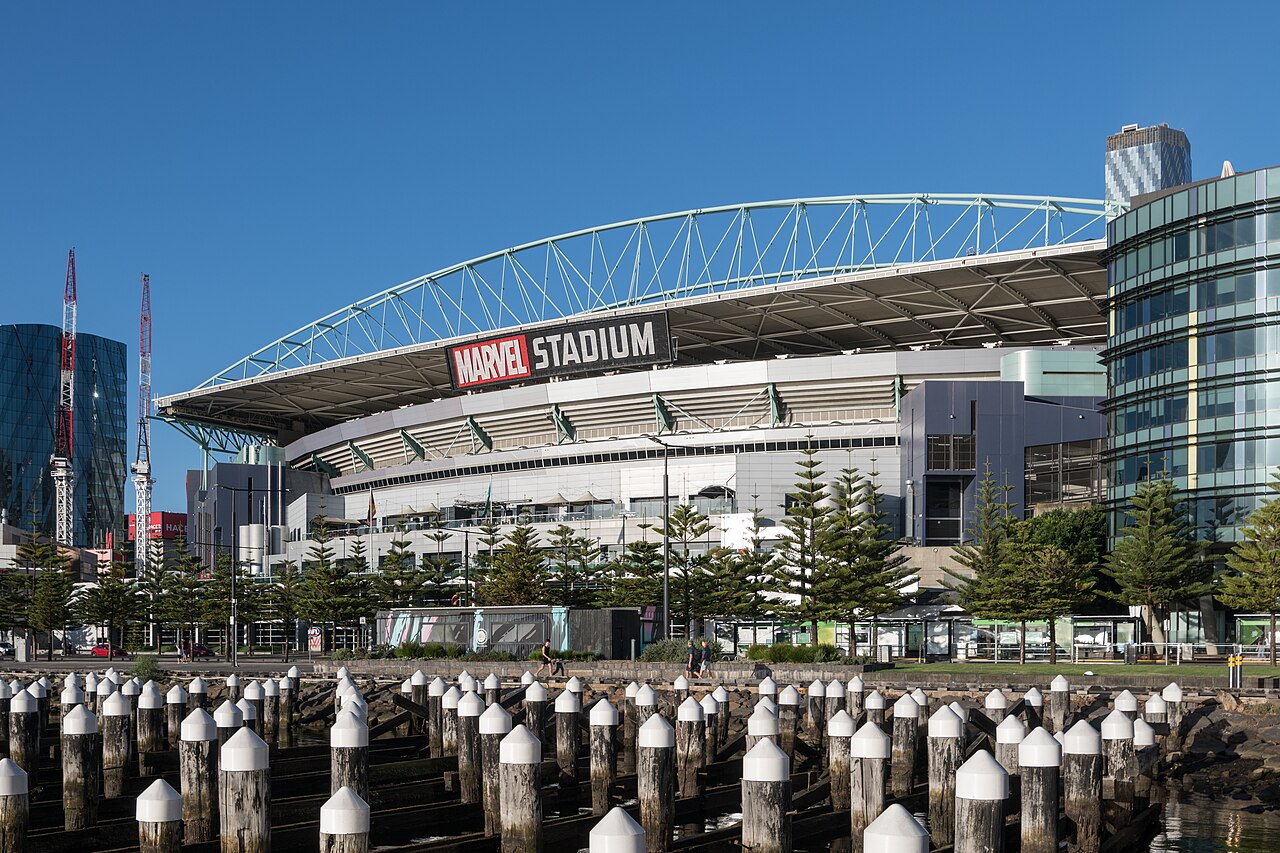
The account also follows a larger mural at Marvel Stadium, related to the ball’s design. The change of scale gives people another way to encounter work that is otherwise seen moving quickly through a match.
This July edition revisits the artist’s interview, rather than announcing a new ball release. It deliberately points readers towards her own explanation instead of presenting the design’s cultural symbols as a general guide to Aboriginal art.
That is a useful approach to sports design more broadly. Before discussing colours or choosing a favourite jersey, find the maker’s name and the account they have chosen to share. A design can connect sport with family memory without every spectator needing to extract and repeat each symbol’s meaning. The artist’s voice keeps that relationship particular, while a familiar sporting object provides the invitation to listen.
Read the original report: Family at the centre of new Sir Doug Nicholls Round ball design.