News edition for 6 October 2026. Added to Nungya on 22 October 2026 as part of our retrospective news archive. Reporting reflects information available by the edition date.
A bark painting can move as its environment changes. It can also carry law, knowledge and responsibilities that a purely technical examination cannot explain. New conservation research at the Australian National Maritime Museum brings those realities together.
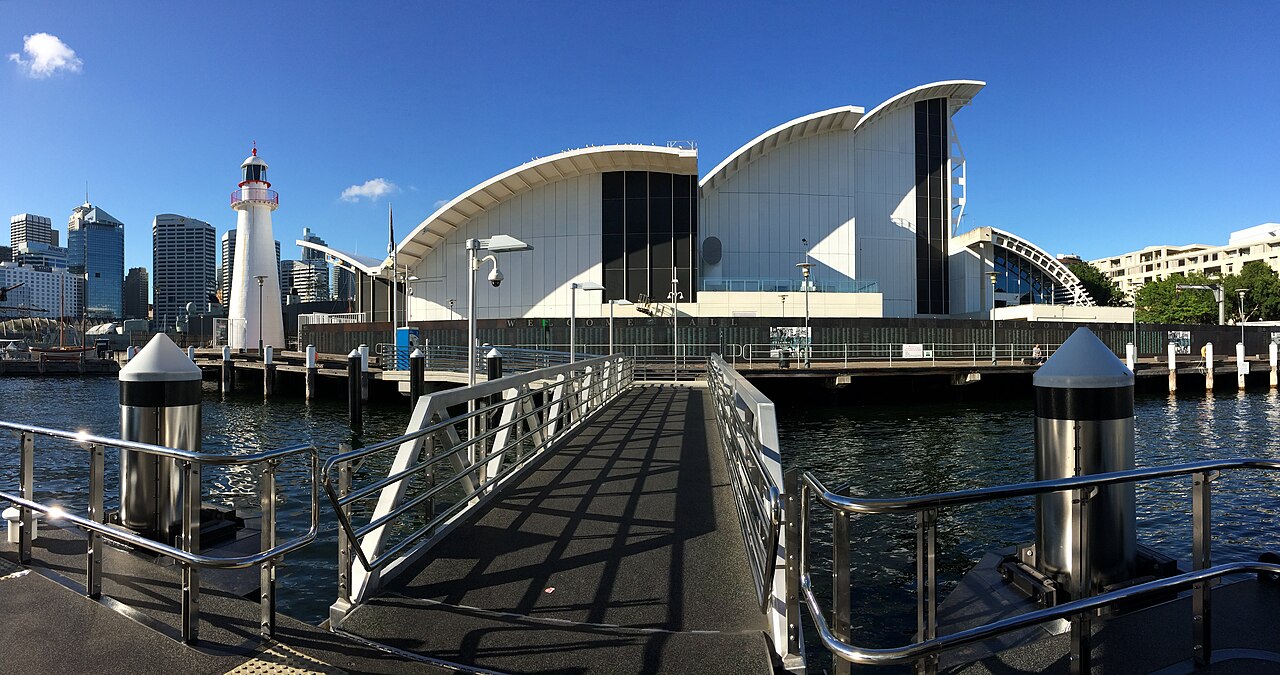
The museum’s 15 September announcement outlines collaboration with Yolŋu artists and custodians at Buku-Larrŋgay Mulka Art Centre in Yirrkala. The work concerns the Saltwater Bark Collection: 80 paintings created by 47 artists from 15 clans, connected with Yolŋu Sea Country.
Museum conservators shared condition observations and monitoring data. Yolŋu knowledge holders contributed knowledge of harvesting, preparation, firing and ochre practices. The exchange is informing conservation planning, including how bark movement and display risks are understood. The paper was scheduled for presentation at the ICOM-CC conference in Norway on 18 September.
The announcement is careful about the stage of the work. Further analysis and consultation are planned, along with final community ratification of the conservation management plan. Its most compelling point is the governing relationship: caring for cultural material requires listening to the people whose authority and knowledge are held in it. That principle has practical consequences for how a collection is studied, displayed and preserved.